Can you do Pilates during pregnancy?
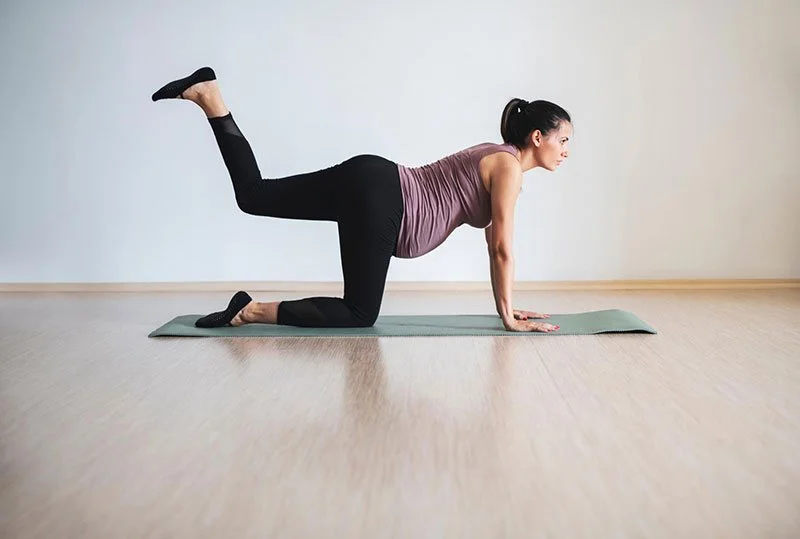
A practical guide to moving safely and confidently.
Pregnancy can change the way movement feels much sooner than you might expect.
Exercises you have always enjoyed may suddenly feel different. Perhaps your balance has changed, you are more tired than usual, or you feel less certain about what is safe for you and your baby.
You might have been advised to stay active while pregnant, but left wondering what that actually means for you.
Can you carry on with the Pilates you were doing before?
Is it ok to start if you have never tried it?
And how should exercise change as your pregnancy progresses?
The reassuring answer is that Pilates can be a lovely way to keep moving during pregnancy. It simply needs to be taught with an understanding of what your body is experiencing now.
Is Pilates safe during pregnancy?
For most people with an uncomplicated pregnancy, Pilates is a safe, low-impact form of exercise.
If you already practise Pilates, you may be able to continue during pregnancy with appropriate guidance. It is important to let your teacher know that you are pregnant, even in the early stages, so they can adapt movements where needed.
You can also begin Pilates during pregnancy if you have never done it before. A specialist Pregnancy Pilates class will introduce you to the movements gradually if you have no previous experience.
Every pregnancy is different, though. If you have been advised to limit exercise, have any pregnancy complications or are concerned about pain or other symptoms, speak to your midwife, GP or pelvic health physiotherapist before starting a class.
When can you start Pregnancy Pilates?
Whenever it feels right to move - There’s no ‘stage’ at which everybody should begin. Some people continue Pilates from the beginning of pregnancy, while others join later, when their changing posture or growing bump makes specialist guidance feel particularly helpful.
You do not need to wait until you are uncomfortable, nor do you need to be an experienced exerciser before coming along.
What matters most is that the class is appropriate for pregnancy and that your teacher understands how to adapt it for you.
It is also completely normal for your energy and comfort to change from week to week. You might arrive feeling strong and energetic one Tuesday, then tired or less comfortable the next. A good Pregnancy Pilates class makes room for both.
Why might movement or exercise feel different during pregnancy?
Your body is doing far more than simply making room for a growing bump.
As your pregnancy progresses, your centre of gravity shifts and the way you stand, walk and balance gradually adapts. Your abdominal wall stretches, your pelvic floor carries increasing pressure and changes within your joints can leave you feeling less stable than usual.
Even your breathing changes as your baby grows.
These are all normal parts of pregnancy, but they can sometimes contribute to backache, pelvic discomfort, tightness or the sense that your body is no longer moving quite as it did before.
Pregnancy Pilates works with these changes. It is not about trying to keep your body exactly as it was before, but about helping you feel supported in the body you have now—and continuing to adapt as your pregnancy progresses.
How can Pregnancy Pilates help?
Pregnancy Pilates can help you maintain strength and mobility without placing unnecessary strain on your body.
The exercises encourage you to notice how you are moving, where you might be holding tension and how small adjustments to your posture or breathing can make movement feel more comfortable.
Regular practice may help you to:
Maintain strength through your legs, hips, back and upper body
Support your changing posture
Improve balance and stability
Stay mobile as your pregnancy progresses
Develop a better understanding of your breathing and pelvic floor
Release unnecessary muscular tension
Feel more confident about how you move
Prepare for the lifting, feeding and carrying involved in early motherhood
Some women find that this slower, more attentive way of moving gives them something else too: time to reconnect with a body that may be changing more quickly than they feel ready for.
“A safe, low-impact way for new mums, Pilates with a qualified instructor is a great way to support not only the pelvic floor and stomach muscles but the wider body and mind.
Focusing on breathing and control, in a supportive environment can help improve confidence and function, leaving you calm, energised, and ready to face life as a mum.”
Cathy, Women’s Physiotherapist
Can Pilates help with back or pelvic pain?
Backache and pelvic discomfort are common during pregnancy, but that does not mean you should just have to put up with them.
Gentle movement and carefully chosen strengthening exercises may help some people feel more comfortable. Pregnancy-related pelvic girdle pain can affect everyone differently, however, and a movement that feels helpful for one person may not be appropriate for another.
Please tell your teacher about any discomfort before class, even if it feels minor. They can help you find a different position, reduce the range of a movement or leave an exercise out altogether.
You should never feel that you need to push through pain. If your pain is new, persistent or beginning to affect your daily life, speak to your midwife, GP or a pelvic health physiotherapist for individual advice.
How is Pregnancy Pilates different from a regular class?
A Pregnancy Pilates class is not simply a regular class made slower or easier.
As your pregnancy develops, your teacher will take into account your balance, comfort, energy levels and the amount of pressure being placed through your abdominal wall and pelvic floor.
They may adapt:
How long you spend in a particular position
Exercises performed lying on your back
Abdominal loading and pressure
Balance exercises
Range of movement and resistance
Transitions between the floor and standing
The pace of the class
Cushions, balls, bands and other small pieces of equipment can also be used to make positions more comfortable or give you the support you need.
The class should still feel purposeful. Being pregnant does not mean that your body is fragile. It means choosing movements intelligently, with room to respond to how you feel on that particular day.
Do you need to have done Pilates before?
Not at all. A specialist Pregnancy Pilates class can be suitable for complete beginners as well as people who already practise Pilates.
You will not be expected to know the exercises or keep up with anybody else. Your teacher will explain each movement and offer different options to suit your stage of pregnancy, your experience and how you feel that day. You do not need to feel particularly fit, flexible or confident before coming along. You can arrive exactly as you are.
What happens in your first Pregnancy Pilates class?
Before you begin, your teacher will ask about your pregnancy, your previous experience of movement and anything currently affecting your comfort.
During the class, you can expect a combination of mobility, strength, balance, breathing and release work. Each exercise will be explained, with different options offered where appropriate.
There is no pressure to push through tiredness or discomfort. You can pause, change position or choose a different option whenever you need to.
Wear something comfortable that you can move freely in, and bring some water. Mats and all the equipment you will need are provided at the studio.
Pregnancy Pilates in Shrewsbury
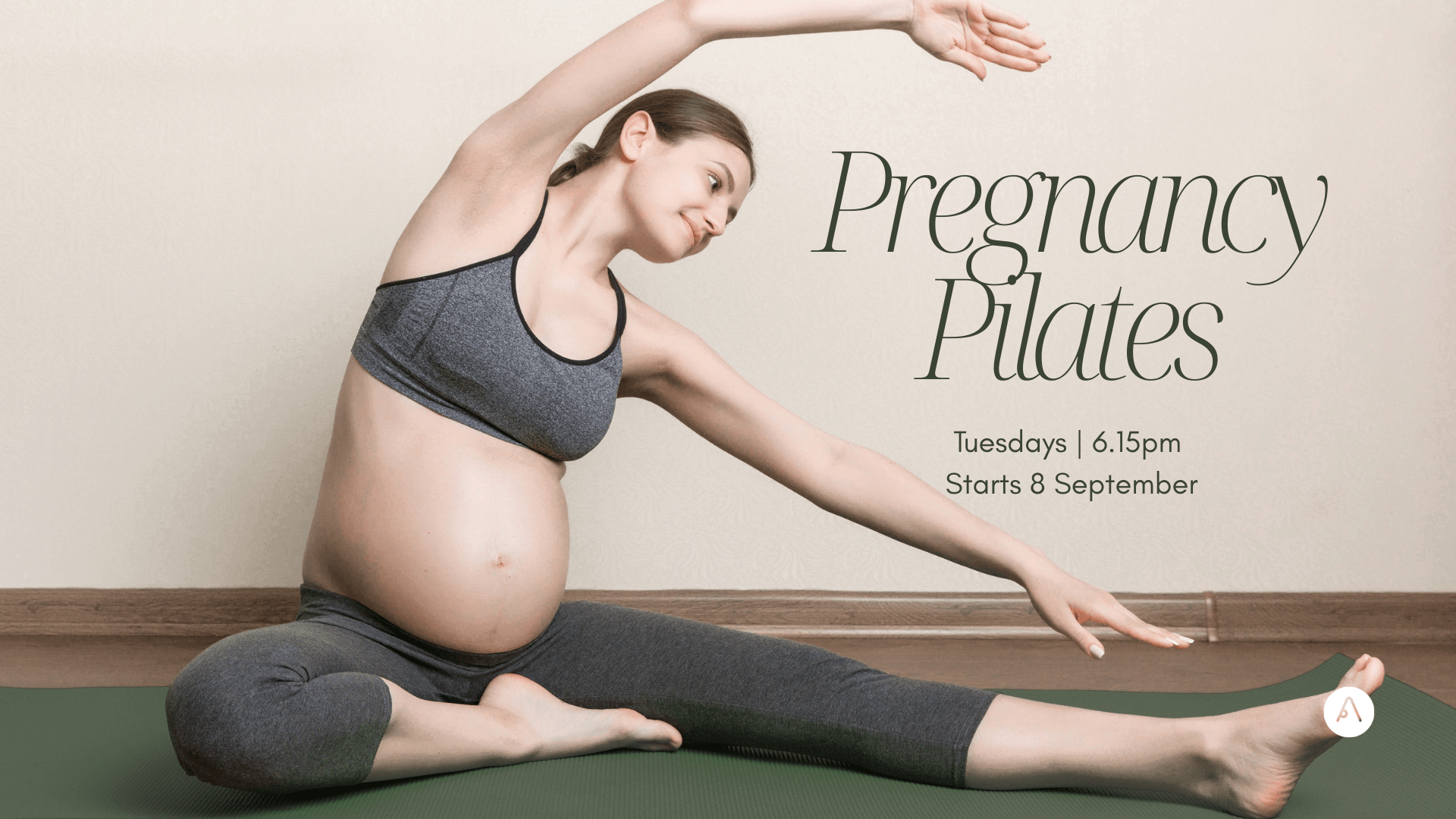
Our next Pregnancy Pilates course begins on Tuesday 8 September at 6.15 pm at Lauren Hilton Pilates in Frankwell, Shrewsbury. Classes are deliberately kept small, giving your teacher time to get to know you and offer individual guidance throughout the course.
The course is taught by Hannah, a qualified Pilates teacher and new mum. Alongside her professional knowledge, Hannah brings a recent personal understanding of pregnancy, birth and early motherhood.
She teaches with warmth and care, helping each person find movements that feel appropriate for their own body.
Whether you arrive feeling energetic, tired, comfortable or not quite at home in your changing body, you will be supported to move in a way that feels right for you—without any pressure to push or keep up.
No previous Pilates experience is needed.
If you’ve found this guide useful, please share it with your pregnant friends and family, and book into our course; we’d love to welcome you.
Lauren x